Revenue operations is a topic that we are seeing come up more and more often. I want to put my thoughts out there.
So we can get started on the right foot, let’s start with a definition.
What is Revenue Operations?
Revenue Operations, often called RevOps, is the active processes and functions used to generate revenue within a business.
Revenue Operations in practical terms refers to the people, process, technology (systems/tools), that you have in your organization that facilitates revenue growth. This includes demand generation, revenue generation, revenue retention, revenue growth.
Where Most People Start with RevOps
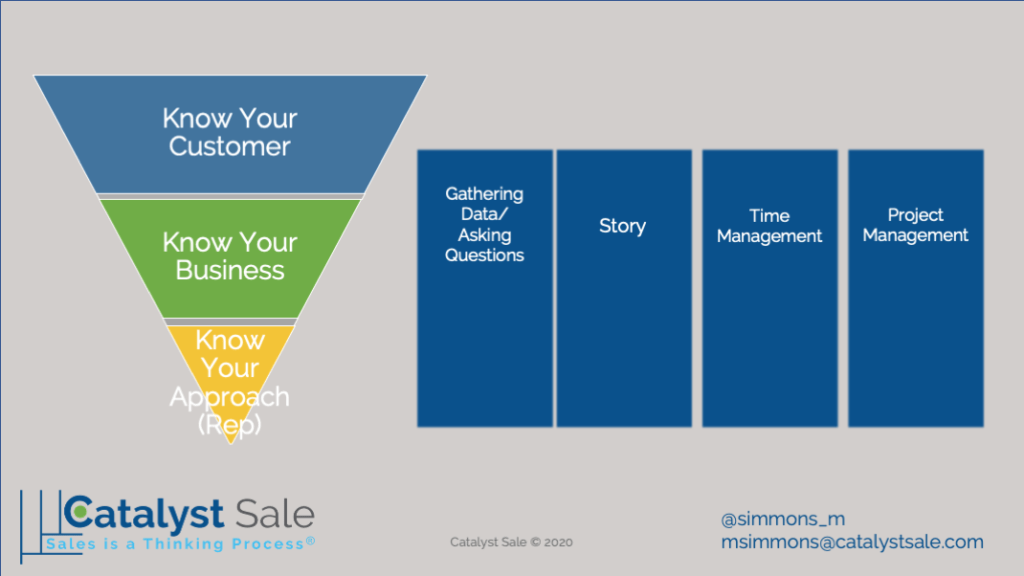
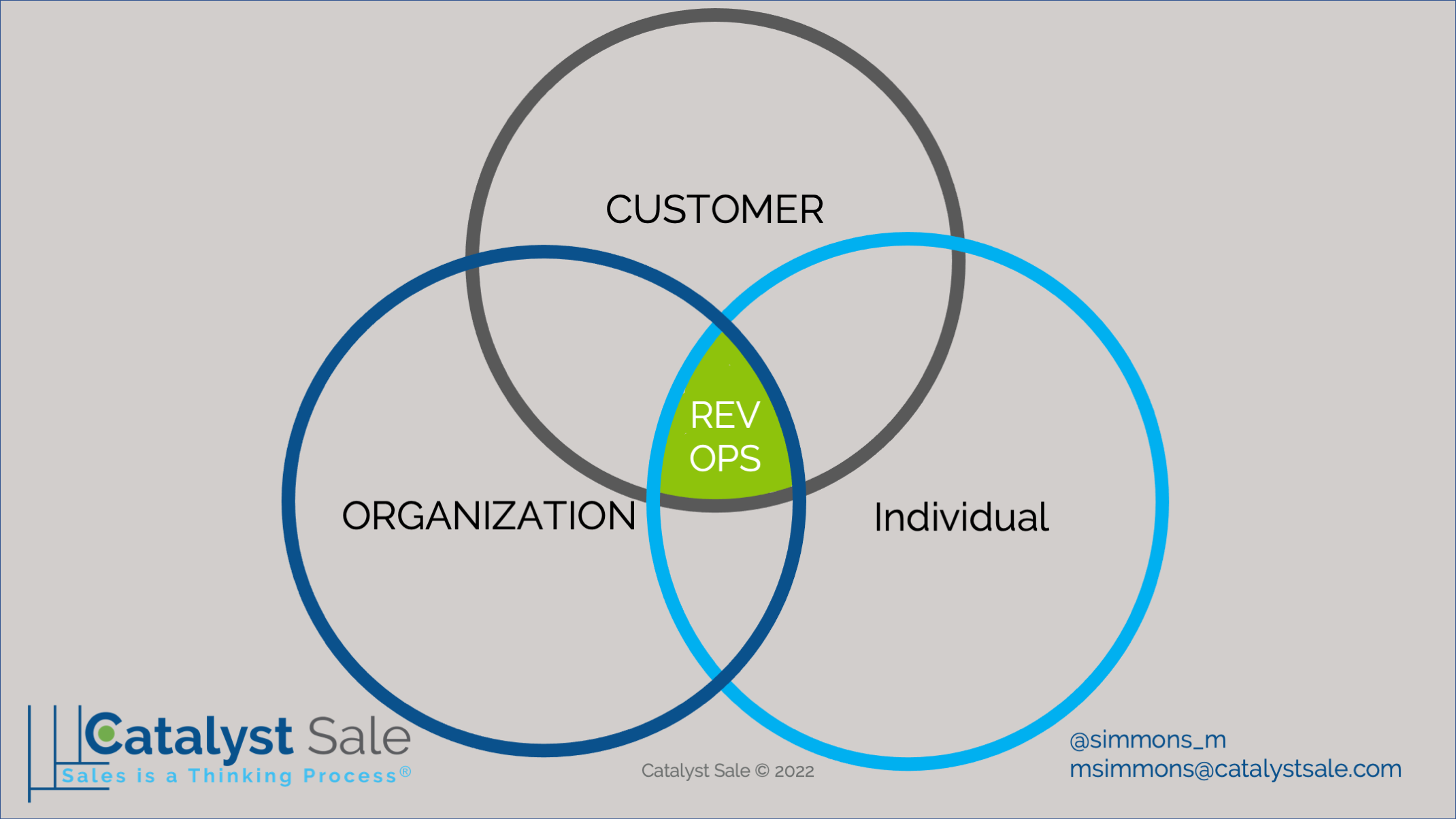
Many organizations attempt to solve this very complex problem through the lens of either the customer, the organization, or the rep. Very few have taken the time to understand this challenge from all three viewpoints.
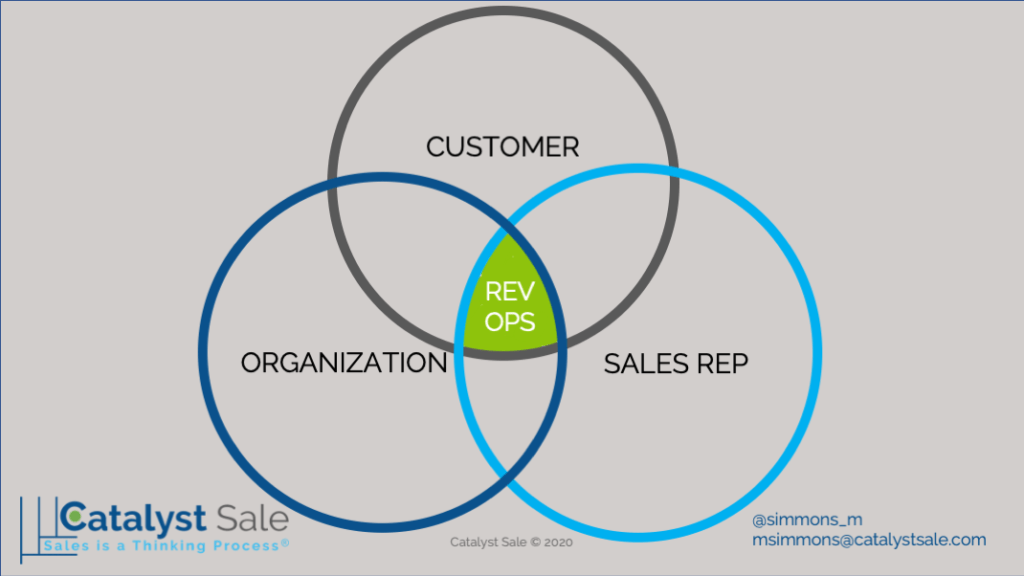
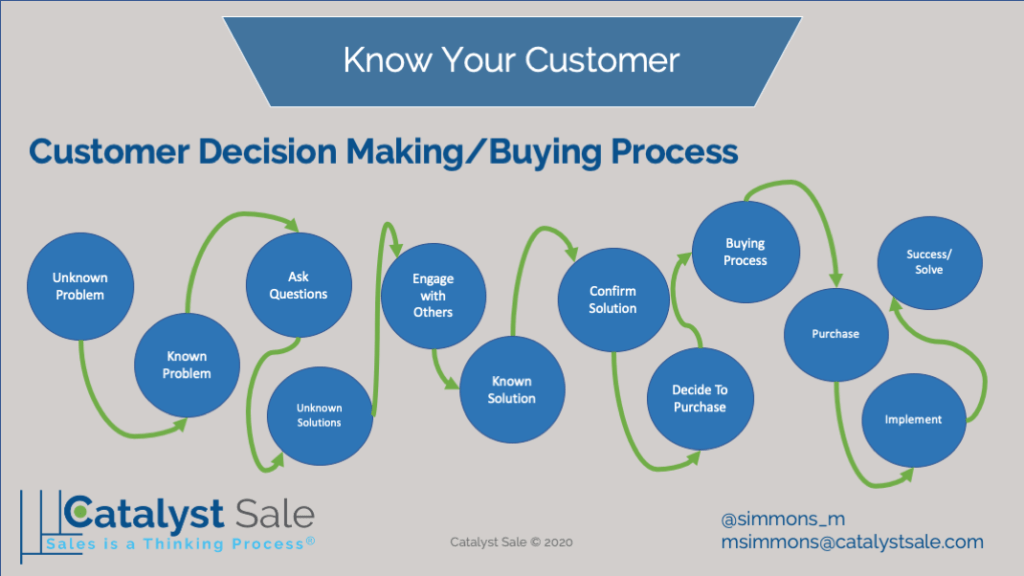
The Customer
There is a lot of talk these days about empathy. There is a lot of talk about designing for and/or aligning to the buyer journey. As Inigo Montoya famously said in the Princess Bride – “You keep using that word. I do not think it means what you think it means.” This is in response to Vizzini’s “INCONCEIVABLE” after one of many attempts to kill the Man in Black.
This is the scene that comes to mind for me when many folks drone on about Buyer Journey & Empathy.
Questions to ask yourself:
- Do you know how your customers make the decision to buy?
- Where do they start?
- What obstacles do they have to overcome?
I get it – these seem like pretty simple questions – what happens when you start writing the answers down though? Does the scope of your ideal customer expand/creep, or does it get further refined? Do the answers create clarity & focus, or do things get fuzzy?
Your Organization
How does the view change when speaking with marketing, operations, sales, customer success, finance?
Let’s also think about this in the context of the following question.
- How accurate is your revenue forecast?
- Where will your business come from in the next 90/180/270/540 Days?
- Where will you Invest?
- How will you KNOW when to do so?
The Sales Rep
When assessing RevOps from the Sales Rep perspective, consider the following:
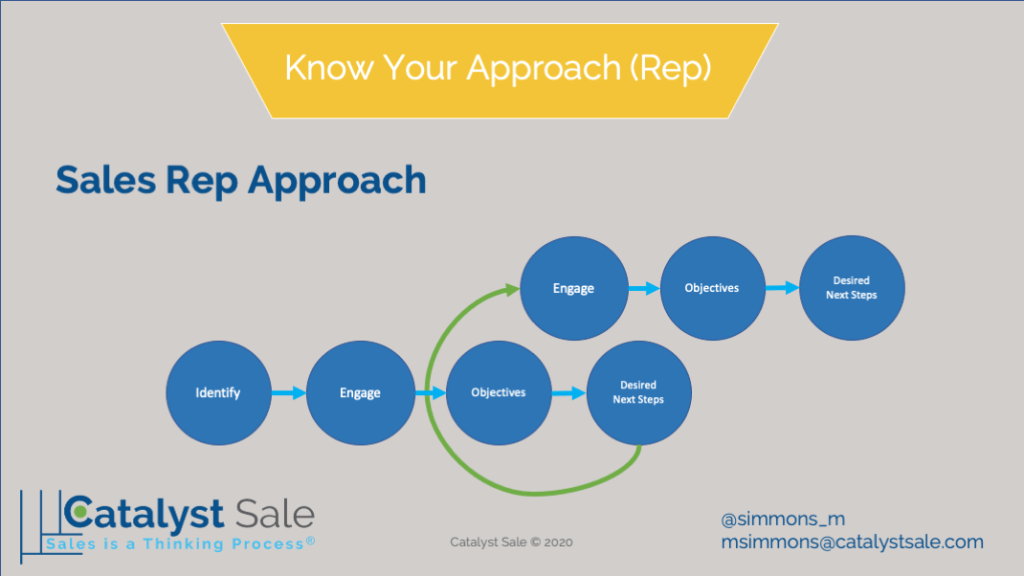
- What’s unique about how your sales reps operate?
- How do they execute?
- Do they have an approach that is repeatable?
Is there another perspective on Revenue Operations?
Of course there are multiple perspectives when thinking about the Revenue Operations problem.
We can look at it from the perspective of the person who is feeling, thinking, doing. The individual. We can also look at this problem through the lens of the business challenge we are attempting to solve.
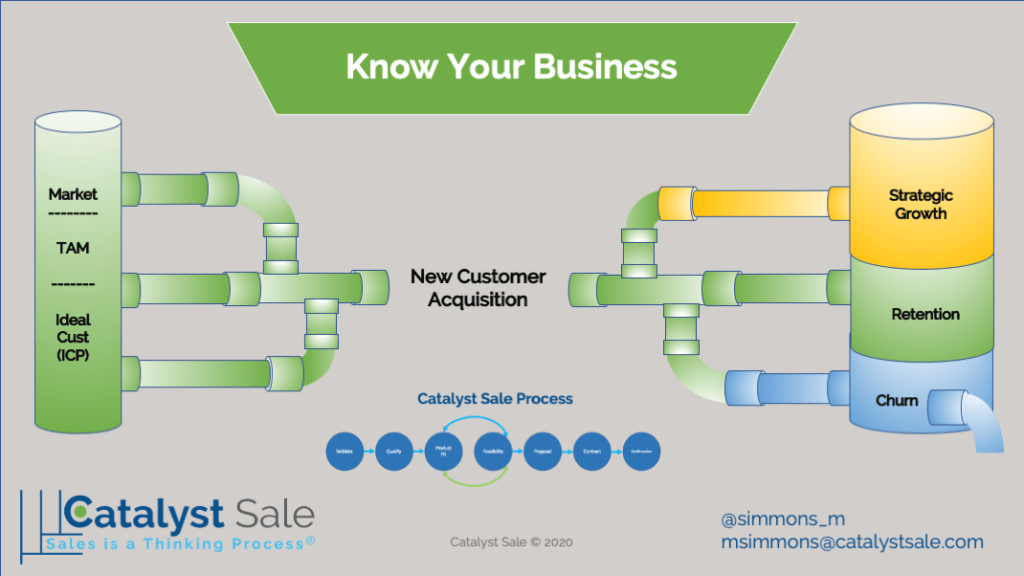
We work with our clients to address these challenges in three buckets. Demand Generation, New Customer Acquisition, and Retention and Growth. If you have been following the blog or the podcast – you’ll be familiar with the following image.
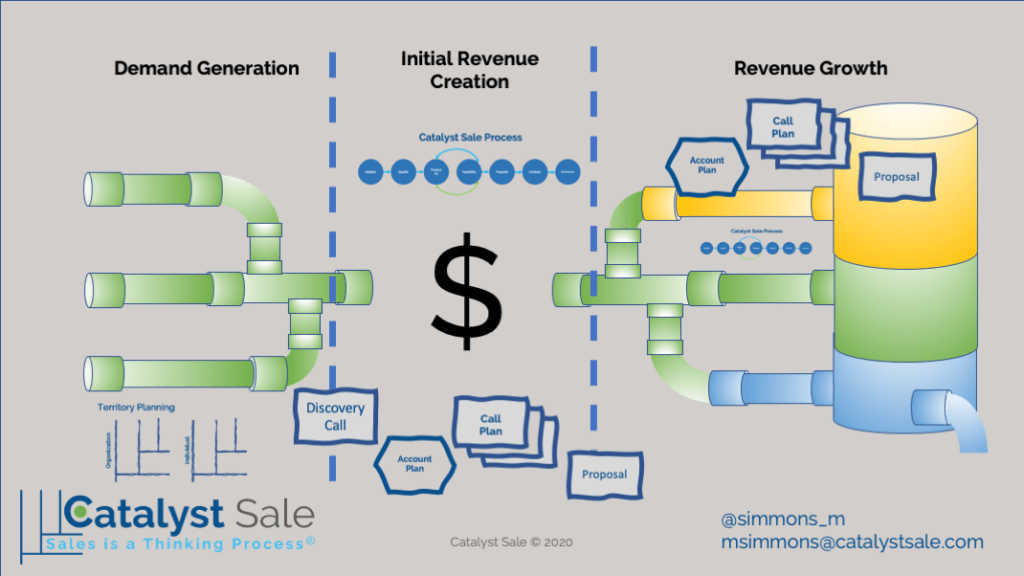
This can be a bit overwhelming. What happens if we remove some of the noise, and focus on one problem – “Initial Revenue Creation” or New Customer Acquisition.
If this is the problem we are solving for, there are a couple of ways we can address the challenge.
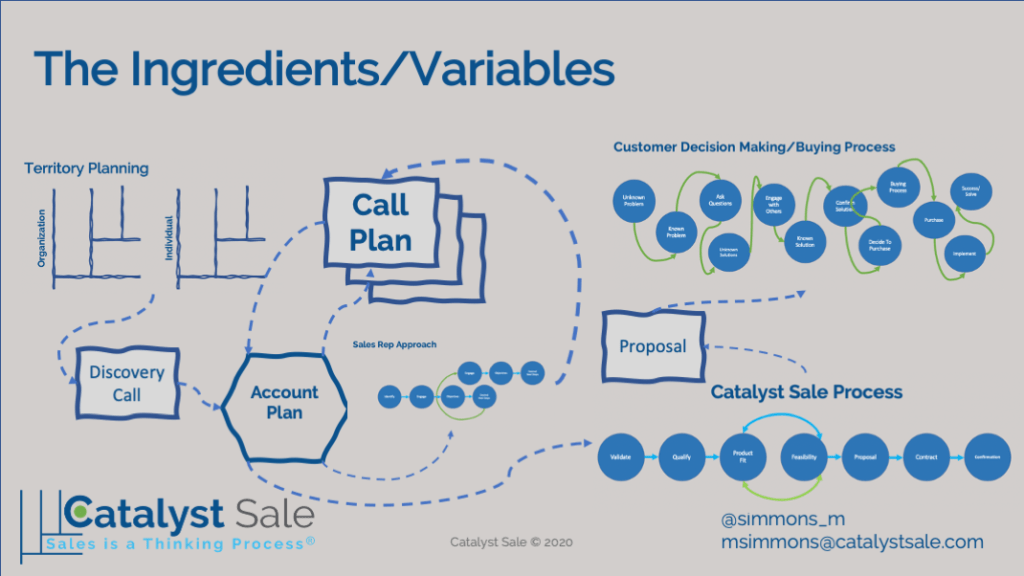
- Process – Sales Process
- Tools – Call Planning, Account Planning, Proposal Planning
- Foundational Skills
For Instance, what if we are solving for Demand Generation?
Let’s say that the issue is specific to pipeline development – meaning you are executing well further down the funnel. We can take a look at the three demand generation pipes.
- 1:Many – Marketing/Demand Generation (Gen)
- 1:1 – Sales Rep Outreach/Referral Demand Gen
- Channel – Demand Gen via Referrals and Partners
Problem Solving Techniques
The above are some examples of how we can isolate for specific variables, and apply problem-solving techniques to complex challenges.
You do not solve complex problems with complex solutions. You solve them with simple solutions. Simple solutions that you can test, repeat, and iterate as necessary.
Some questions that can help you get on the right track when thinking about Problem Solving
- What Problem Are We Solving For? – Define the problem, identify and clarify the “WHAT”
- Why Is It Important for US to Solve this problem? – The WHY behind it
- How have we attempted to solve the problem? – HOW have we attempted to solve, but failed?
- How might we solve the problem in the future? – HOW can we change our approach, and test new things?
It’s time to think differently about the Revenue Operations problem and take a clinical approach to solve it in your organization.