AiR · AI Readiness for Team Leaders

Your leadership asked what you're doing with AI.
Here's your answer.

You don't need an AI transformation. You need defensible progress your team can point at by the next quarterly review. We help you get there.

A to B, not A to Z. Start with the next logical step. Build momentum your team can see, your leadership can measure, and your peers can learn from.
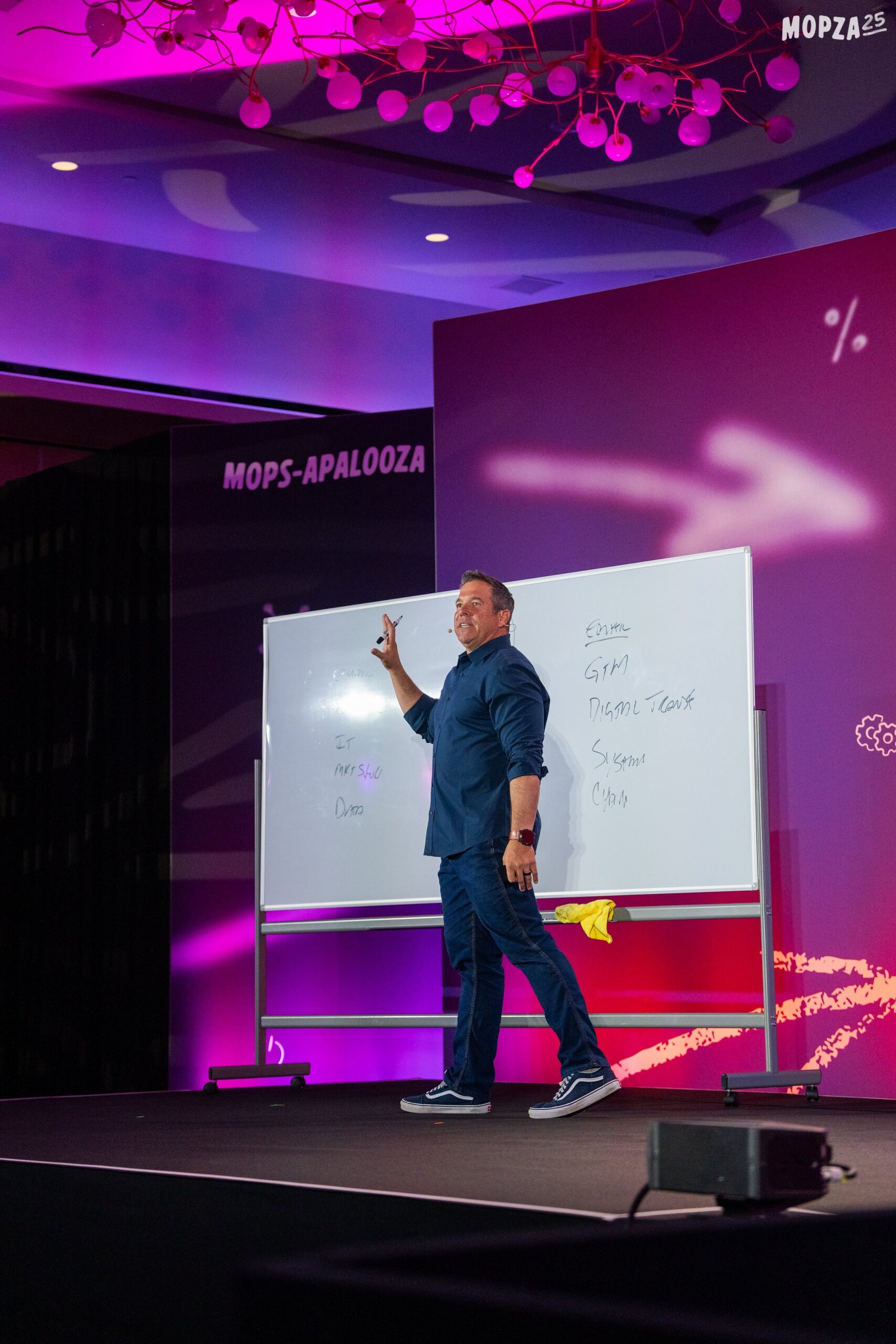
Mike Simmons
Mike Simmons
Founder, Catalyst · Creator, AiR
Plan
Steps 1–4. Define the goal. Audit what's happening. Assess the patterns. Recommend the first test.
Do
Step 5. Run the tests. Pre-launch, launch, post-launch. Sprints. This is where the work happens.
Assess & Iterate
Step 6. Reflect on progress. Adjust if the work isn't working. Build the next plan at day seventy-five.
A to B · Not A to Z
6-Step Thinking Process
Learn.Think.Act.™
Defensible Progress in 90 Days
What AI Actually Is

AI isn't a product.
It's emerging and enablement technology.

Three words. Each one matters. Get this frame right and the adoption problem gets smaller.

🌱
Emerging
New. Growing. Still being figured out.
The category will keep changing. Don't anchor your plan to today's tool.
Enablement
It helps your team do the work they already do. Better. Faster. With less friction.
The technology works for the humans. Never the other way around.
🛠️
Technology
A tool. One of many your team already uses.
Skills matter more than tools. Tools change. Skills compound.
The Problem

If any of this sounds familiar,
you're not alone.

Every team leader we talk to is dealing with some version of this. It's not a skills problem. It's a framing problem.

🎯 Your leadership wants an AI plan. You've been trying to build one that won't collapse the first time something doesn't work.
🧭 The scope keeps creeping. Every conversation pulls you toward "transformation" when you just need a defensible next step.
🔀 Your team already tried a few tools. Some used them once. Nothing stuck. Nobody can tell you why.
📉 You got the budget. The licenses went out. Three months later, usage dropped off. You don't have a story to tell.
🗣️ Peers are asking what you're doing. You don't want to overclaim. You don't want to underdeliver either.
⏱️ You don't have time for a six-month assessment. You need clarity this quarter and progress the quarter after.
The Thesis

A to B is more important
than A to Z.

Most AI initiatives fail because they're designed for the destination, not the next step. Your team doesn't need a vision. They need the one useful thing that works this sprint.

Design Backward · Execute Forward
A
Today
Unknown unknowns. Known unknowns. Wasted resources. Unclear next step.
B
Next Step
One defined test. Early adopters identified. A story worth sharing by day 45.
...
Y.1 → Y.3
Incremental milestones. Each one visible. Each one a chance to adjust the plan.
Z
Someday
The "transformation" that every consultant is selling. You'll get there. Just not in one leap.
1
Why execution fails
Doing too much
When everything is a priority, nothing is. The three-cap forces the conversation about what actually matters.
2
Why execution fails
Avoiding hard things
We default to work that feels like progress. The audit surfaces what's actually in the way, so the real work gets done.
3
Why execution fails
Quitting too soon
Adoption follows an S-curve. Without waypoints, most teams quit in the dip. Sprint-level reflection keeps the plan honest.
The Method

Six steps. One thinking process.
Built in your language.

This isn't a playbook we hand you. It's a thinking process we run with your team. You bring the business. We bring the process.

1
Define
Clarify the challenge
Challenge, problem, objective. We name the thing we're actually solving. Everything else anchors here.
2
Audit
Gather the data
Public and private. One-on-ones with the people doing the work. What's working, what's not, where are we stuck.
3
Assess
Find the patterns
Summarize what we heard. Current state, desired state. The gap between them is where the work lives.
4
Recommend
Design the tests
Initial tests, not a five-year plan. The next logical steps. What we'd try first, second, third.
5
Run
Launch with intention
Pre-launch, launch, post-launch. Early adopters first. Stories captured by day 45. Functional rollouts scheduled.
6
Iterate
Adjust every sprint
Did we do the work? Is the work working? Two questions, every two weeks. Next ninety starts at day seventy-five.
"

The six steps are the structure. What goes inside is yours. We run the process. Your team builds the plan. A system your team built is a system your team owns.

The Stages in Detail

Three phases.
Six stages. One thinking process.

Click any stage to see what happens inside it, and the question we have to answer before we move on.

Plan · Steps 1–4
Do · Step 5
Assess & Iterate · Step 6
01
Define
02
Audit
03
Assess
04
Recommend
05
Run
06
Iterate
01 Plan Define

We start by naming the thing we're actually solving. The challenge. The problem. The objective. Not "adopt AI," which is too big to act on. Something specific: the one recurring workflow that's costing your team hours, or the specific decision your leadership wants an answer on. Everything downstream anchors to what we define here.

Exit Criteria · Yes/No Question
Can we name the challenge, the problem, and the objective in one sentence each?
02 Plan Audit

We gather the data. Public and private. One-on-ones with the people doing the work. Two questions that open everything up: it sucks that... and it would be awesome if.... What's working, what's not, where are we stuck. We listen for patterns, not for confirmation. This is research, not persuasion.

Exit Criteria · Yes/No Question
Do we have enough data, from enough perspectives, to describe the current state honestly?
03 Plan Assess

We review the audit data and identify the patterns. What's overlapping across interviews. What keeps surfacing. We write an executive summary of what we heard, in their language. Current state gets named. Desired state gets named. The gap between them is where the work actually lives.

Exit Criteria · Yes/No Question
Is your team aligned on the current state and the desired state, in their own words?
04 Plan Recommend

We design the initial tests. Not a five-year roadmap. The next logical steps. What we'd try first, second, third. What tool or workflow would move you from A to B. What we'd measure to know if it worked. We choose smaller than you'd expect. A to B is more important than A to Z.

Exit Criteria · Yes/No Question
Do we have two or three specific tests ready to run, with clear success criteria?
05 Do Run · Pre-Launch, Launch, Post-Launch

This is where the work happens. We break the run into three phases. Pre-launch is prep: objectives, outcomes, people, plan, and identifying the early adopters and influentials. Launch is the focused rollout to that first group, not the company-wide email that kills adoption. Post-launch is capturing stories by day 45 and scheduling the functional rollouts to the next wave. Two-week sprints. Six sprints per ninety days.

Exit Criteria · Yes/No Question
Are early adopters actively using the tool, and do we have captured stories worth sharing to the next wave?
06 Assess & Iterate Iterate

Every sprint, we ask the same two questions. Did we do the work? Is the work working? If the answer to the first is no, we fix the cadence. If the answer to the second is no, we change the work, not the goal. Reflection is built into the system, not something we hope someone remembers to do. The next ninety-day plan gets built at day seventy-five. That's how the momentum compounds.

Exit Criteria · Yes/No Question
Is the team closer to the objective than they were at the start of the sprint, and do we know why?
The Principle

Why it works:
Learn.Think.Act.™

The six steps map to how adults actually build new skills. That's not an accident. It's grounded in adult learning theory, and it's why the plans stick.

The Learn.Think.Act.™ Loop
Learn
Define · Audit · Assess
Understand the current state. The problem. The patterns. Before we design anything, we know what we're working with.
Think
Recommend
Design the next logical step. What test would move us from A to B? We think before we act, and we choose smaller than you'd expect.
Act
Run · Iterate
Do the work. Reflect. Adjust. The work teaches us something we couldn't know before we did it. That's the loop.
Make it smaller
Your team doesn't need one giant leap. They need incremental steps that build momentum. That's how behavior actually changes.
Integrate into workflow
The technology should work for the humans. If the tool makes the work harder, it's the wrong tool. The audit surfaces that before the rollout.
Capture stories, don't mandate use
The death spike of implementation is the broad launch email. We start with influentials, capture their stories by day 45, and let peer stories pull the rest.
What You Gain

What your team looks like
when the plan is working.

This is what defensible progress actually looks like. Not a transformation. Just a team that's a little more capable every sprint.

An AI plan you can defend to leadership
A written understanding of current state, the problem you're solving, and the next logical step. When the question comes up, you have an answer.
A team that knows what to try next
Not paralyzed by the scope of "AI." Focused on the specific test that's running this sprint. Clear on what would make it count.
Stories worth telling
Real use cases from your early adopters, captured by day 45. Peer stories travel further than any launch email ever will.
Known unknowns become known
The audit surfaces the questions you didn't know to ask. Assumptions get tested before they become expensive mistakes.
A system that gets smarter every sprint
Two questions at every checkpoint: did we do the work, and is the work working. The answers compound into real learning, not anecdotes.
Confidence you're leading on purpose
Not reacting to the next tool launch. Not copying what a peer posted on LinkedIn. You built the plan. You know how it works.
Ready to see what the next step looks like for your team?
25-minute Clarity Call. Walk away with one thing you can act on this week.
Book a Clarity Call →
Why This Works

We built this for ourselves first.
Then for our clients.

We've been using these tools since November 2022. Not just asking questions. Building things. What we teach is what we run.
Internal Build
Podcast Assistant App
A purpose-built AI workflow that handles show notes, YouTube descriptions, and episode assets. Replaced hours of manual work. Integrated into the actual publishing workflow, not bolted on.
Internal Build
G.A.M.E. Plan™ Second-Brain App
A working AI companion to the G.A.M.E. Plan™ methodology. Captures decisions, tracks sprints, surfaces patterns. We use it to run our own business and help clients run theirs.
Internal Build
Purpose-Built GPTs
Multiple custom GPTs built to handle specific jobs-to-be-done inside the business. Each one replaces a recurring task. None of them replace thinking or creativity.
Mike Simmons

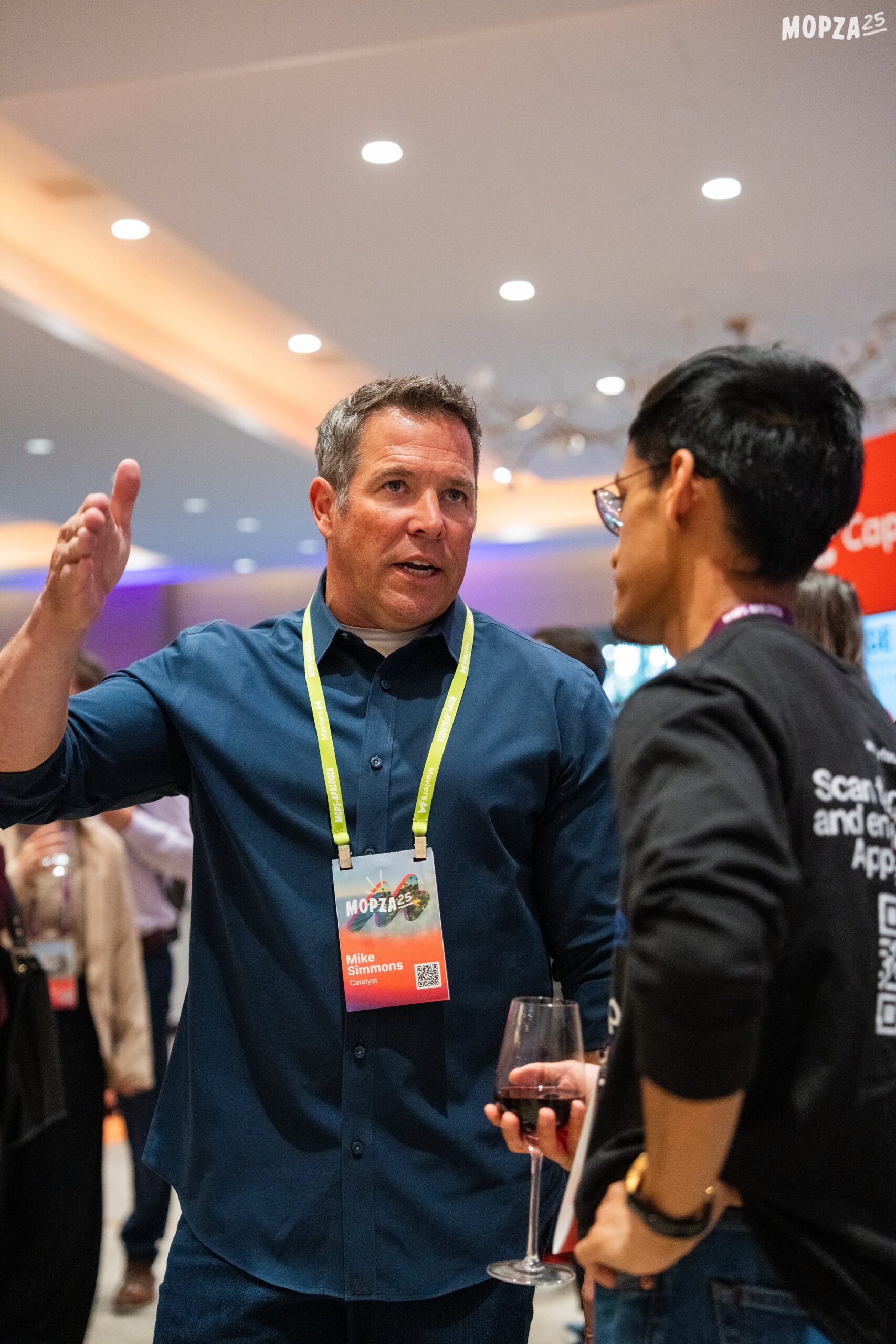
You are the expert in your business. I bring the process. I've been helping teams adopt emerging and enablement technology for twenty-five years, going back to e-learning at SmartForce and Skillsoft. AI is the current wave. The thinking process is the same. I'll run it with your team.

Mike Simmons
Founder, Catalyst · Creator, AiR · Sales is a Thinking Process®
Why It's Different

What most AI engagements miss.
And what AiR solves.

Most of what's being sold as "AI transformation" is a repackaged consulting deliverable. We do the opposite.

Approach What It Promises The Reality AiR
Big-Bang AI Rollouts Company-wide adoption, fast Launch email goes out. Usage spikes. Drops to zero. Never recovers. Start with influentials. Stories captured by day 45. Adoption pulled by peer use, not pushed by email.
Tool-First Strategies "Buy the tool, solve the problem" The tool fits what the vendor built, not your actual workflow. Audit the workflow first. The tool is the last decision, not the first. Skills matter more than tools.
AI Transformation Consulting End-state vision and roadmap Beautiful deck. Sits on a shelf. Team never owned it. A to B, not A to Z. Your team builds the plan. Your team runs the plan. A system your team built is a system your team owns.
"Just Start Using It" Permissionless adoption Scattered experiments. No learning captured. No defensible progress. Structured sprints. Sprint-level reflection. Two questions: did we do the work, is the work working.
Start Here
Define + Align Call
$4,500
Guided Whiteboard · Your team in the room · 90 minutes

The first step is Define.

We run the Define step together. Your team. Our whiteboard. We clarify the challenge, the problem, and the objective. You leave with a written understanding of the current state and the next logical step.

Book a Clarity Call →

The Clarity Call is free. We'll decide together if the Define + Align Call is the right next step. Currently booking 1–2 weeks out.

What to expect
Free 25-Minute Clarity Call
  • Name the AI challenge you're actually trying to solve
  • See how the 6-step AiR process fits your situation
  • Identify the smallest first step worth running
  • Get a clear next step, even if it's not AiR
  • Simple. Clarity. Execution.
If Define + Align points us further
The full engagement arc
Define + Align
$4,500
Guided Whiteboard. Challenge, problem, objective. Current state documented.
+ Audit & Assess
$7,500
Individual interviews. Pattern analysis. Findings whiteboard. Recommendations.
+ Full Launch
$15,000
Pre-launch, launch, and post-launch plan. First 30 days of sprint accountability.
The Bottom Line

The goal isn't an AI transformation.
It's one useful thing this quarter.

Then another one next quarter. That's how progress actually compounds. That's the only AI plan that ever works.

Some tests will work. Some won't.
But your team will know why.